Preparing future teachers while supporting learners
How the Monash Virtual School connects practice with purpose

VCE students across Victoria regularly log in to free online revision sessions run by the Monash Virtual School (MVS). At the other end, Monash University pre-service teachers (PSTs) deliver lessons in VCE STEM subjects while developing the valuable skills to teach in diverse and digital classrooms.
The MVS is a university-led program that creates authentic online teaching opportunities for PSTs, guided by experienced educators and grounded in evidence. It helps future teachers build confidence in digital pedagogy, inclusive practice and subject-specific instruction.
At the same time, VCE students consolidate their learning, hear concepts explained in new ways, and connect with peers from other schools and communities.
Informed by data and driven by values, the program is underpinned by research and generating new insights into how to prepare teachers and support learners in an evolving digital landscape.
Combining practical experience for aspiring teachers with accessible support for students, the program brings universities, schools and communities together in ways that benefit all involved. It reflects a shared commitment to preparing teachers for the realities of modern education and advancing equity in learning opportunities.
A new model for teacher education
The MVS began in response to the challenges created by the Covid-19 pandemic, when schools were adapting rapidly to remote teaching, and the availability of placements for PSTs became uncertain. What started as a short-term solution has grown into an innovative and collaborative model of teacher education.
Unlike traditional placements, where PSTs often shadow a supervising teacher, the MVS model places PSTs in equal-status team-teaching roles. Working in pairs or small subject teams, they plan, teach, and reflect together; learning to manage collaboration, digital pedagogy, and student engagement in real time with the supervision and support of an experienced teacher.
Research led by Tara McDougall and Mike Phillips from Monash University’s Faculty of Education shows that such experiences accelerate PSTs professional growth. They don’t just learn about teaching online – they become adaptive, reflective, and confident digital educators.
Learning in context – and learning together
At the heart of this transformation is the idea of situated learning: that learning to teach happens best when it’s real. When PSTs are immersed in authentic teaching, supported by peers and mentors, they build skills and further develop their professional identity.
Within MVS, situated learning comes to life as PSTs learn to teach with others, through others, and for others.
For instance, when two biology PSTs – one with deep content expertise and the other with stronger pedagogical and digital skills – plan a lesson together, each contributes strengths that reduce the cognitive load of lesson design and enhance creativity.
As one PST reflected, “I was lucky to be paired with someone who had really strong content knowledge. We balanced each other perfectly.”
Another said: “Knowing I had someone to share the ‘I don’t know how to do this’ moments with made all the difference. We figured it out together.”
These experiences build capability, confidence, trust, and a sense of belonging in the profession.
From theory to practice: Building the TPACK mindset
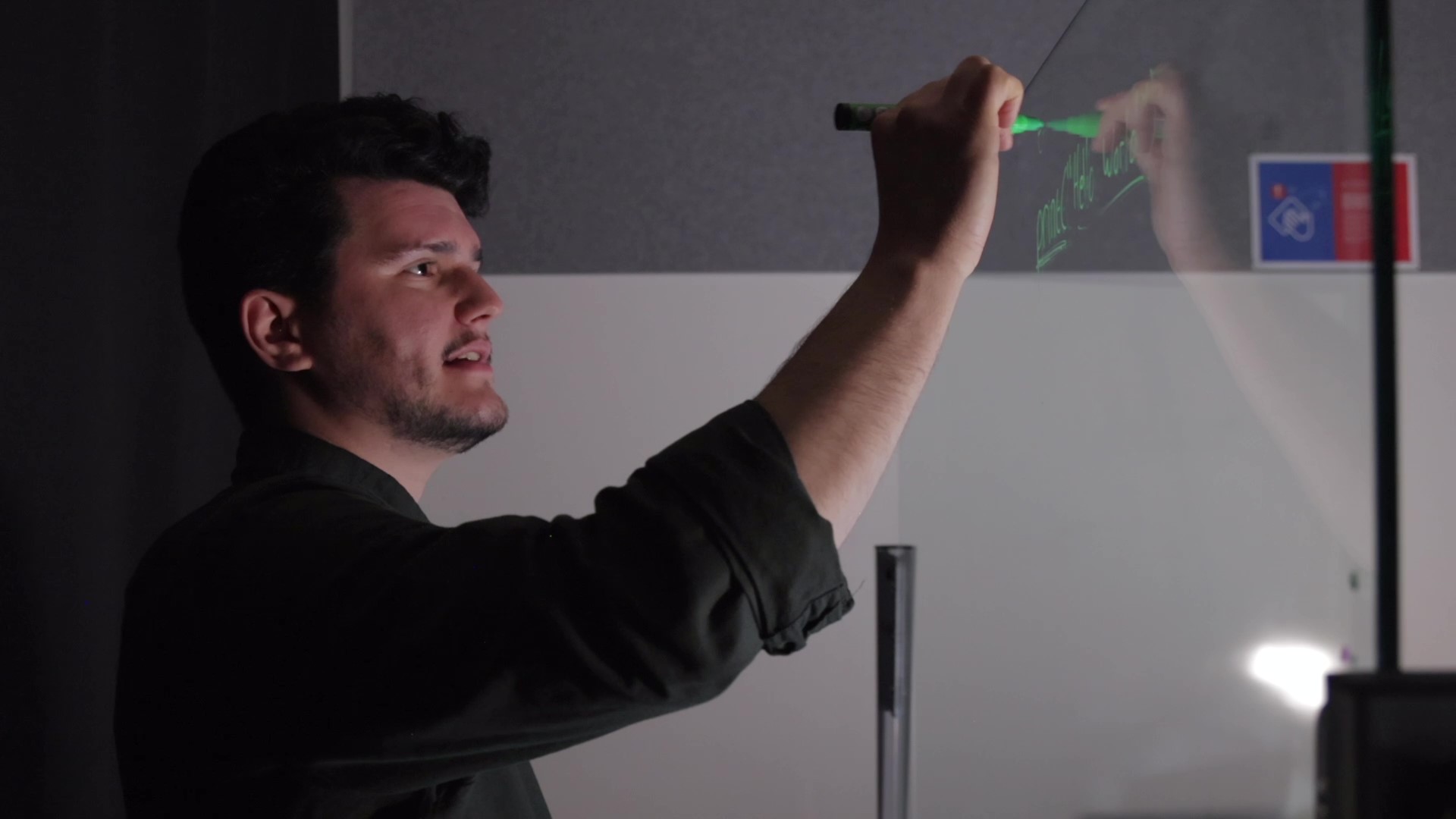
The MVS also brings the Technological Pedagogical and Content Knowledge framework (TPACK) to life. TPACK describes the blend of expertise teachers need to use technology effectively. In traditional education programs, TPACK can remain abstract – something taught, not lived. At the MVS, it is lived in practice.
Team-teaching online requires PSTs to constantly balance digital tools, curriculum content, and pedagogy. They learn how to adapt lessons for diverse learners, use technology to support and reflect on what works and why.
One PST noted, “Knowing about something and doing it are completely different. Virtual School gave me the confidence that what I was doing was right and that I could keep getting better.”
The Monash research found that this immersion helps PSTs develop a deeper, more integrated understanding of teaching in technology-rich settings. Participants consistently reported that MVS reshaped their professional identity, seeing themselves not just as learners, but as capable educators ready for contemporary classrooms.
Expanding access for students across Victoria
While the MVS is reshaping the way future teachers learn, it also offers meaningful support to senior secondary students.
The Virtual School’s free online VCE revision sessions, funded by The Invergowrie Foundation, connect students from across Victoria with high-quality, interactive learning experiences that complement their classroom learning.
These sessions offer extra support for students who might face barriers to revision, including those related to distance, disability, or access to additional academic help.
Importantly, subjects offered are in STEM fields where girls and young women have been historically underrepresented. By creating inclusive, welcoming spaces led by diverse teaching teams, the program aims to challenge stereotypes and encourage broader participation in these areas whilst also prompting pre-service teachers to consider their own role in fostering equity.
Students value revisiting material outside of class time, hearing content explained differently and learning alongside peers from other communities. For PSTs, supporting these sessions reinforces the altruistic reasons that draw many of them to teaching.
A model for the future
The success of the MVS shows that online learning can be a purposeful part of teacher education and student support, not simply an emergency response.
By blending collaboration, reflection, and authentic teaching, the MVS nurtures the competence and confidence of future teachers. PSTs plan, teach and reflect together, developing the teamwork, adaptability, and empathy required in schools.
As education systems evolve, models like MVS demonstrate how virtual learning can complement traditional schooling. They highlight the vital role universities can play in connecting teacher education with community needs particularly for rural and regional learners. Supported by The Invergowrie Foundation, the MVS is an example of how innovation, research, and collaboration can shape education that reaches everywhere.
Find out more
To explore the full range of opportunities visit: monash.edu/virtual-school where you can:
- Have your students register for VCE revision classes
- Access free Primary School STEM lesson plans
- Learn about the primary school program, supporting early engagement in STEM
- Read the research
Email rcox@intermedia.com.au